Categories
Nutrition

RESAN

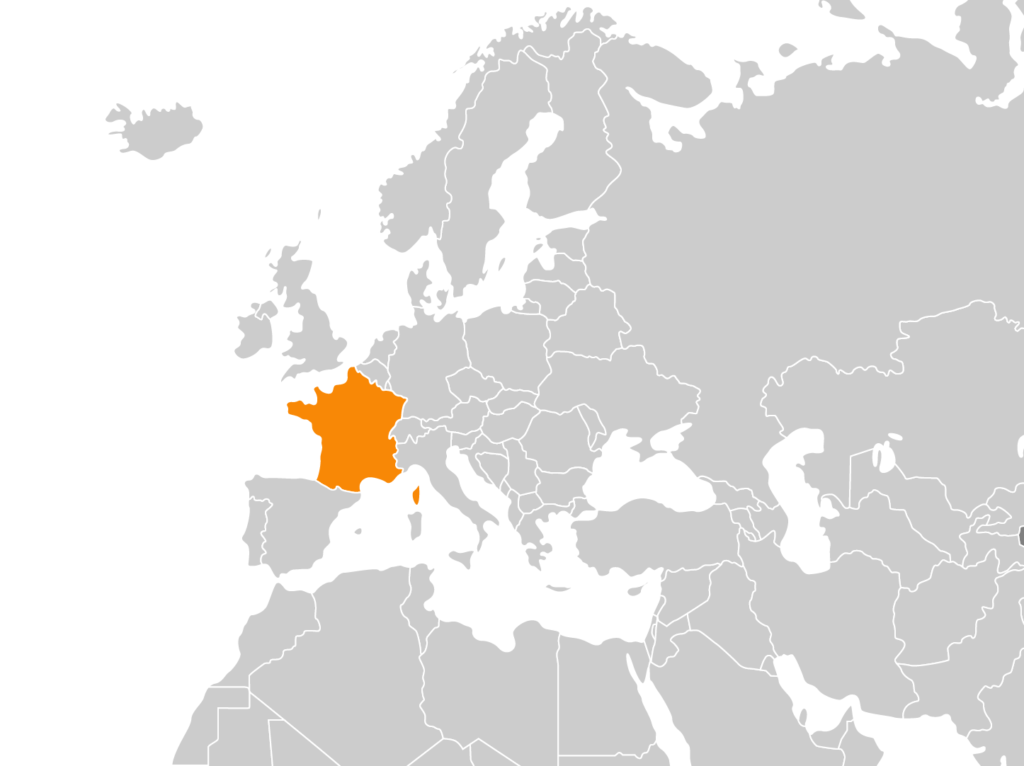
France

  • In 2020, 50,000 farms with at least 10 dairy cows raised a total of 3.5 million cows (source: Agreste – November 2023) 
  • In dairy farming regions, average agricultural income was €17,000 in 2018, making up 38% of farm household income. Couples where both partners are farm operators are relatively common. Additionally, other sources of income are limited. Due to the daily demands of milking and animal care, spouses are more involved in farm activities. (source: INSEE – 2021). Dairy incomes are among the lowest in agriculture. 

Play video

The number of dairy farmers decreased by 25% between 2010 and 2017, and 1 out of 2 farms is still expected to close by 2030 (INSEE, 2019). This trend is partly due to the demographic curve of farm owners, but also to challenging economic conditions resulting in generally low profitability. Over 20 years, the margin per liter of milk has dropped by 4% (FNH, 2023), and only 7% of food spending is directed upstream to agriculture (Programme ensemble bien vivre, bien manger du Secours Catholique – Caritas France, 2024).

At the same time, from a market perspective, 43% of French people believe responsible consumption means buying local products through short supply chains or sourcing directly from producers. (Observatoire de la consommation responsable ObSoCo 2023). 

In institutional catering, regulations are also evolving, encouraging more sustainable and local food, but the supply is sometimes lacking in volume and logistics. Additionally, procurement and marketing procedures require administrative expertise that farms don’t always have. 

In response to these challenges, RESAN offers an innovative, collective, and resilient model that enables farms to: 

  • Diversify their activities by selling products made directly on-site, allowing them to get better value for their milk 
  • Create jobs 
  • Put dairy producers back at the center of the local economy. 

Indeed, RESAN is a new agri-food industry model offering: 

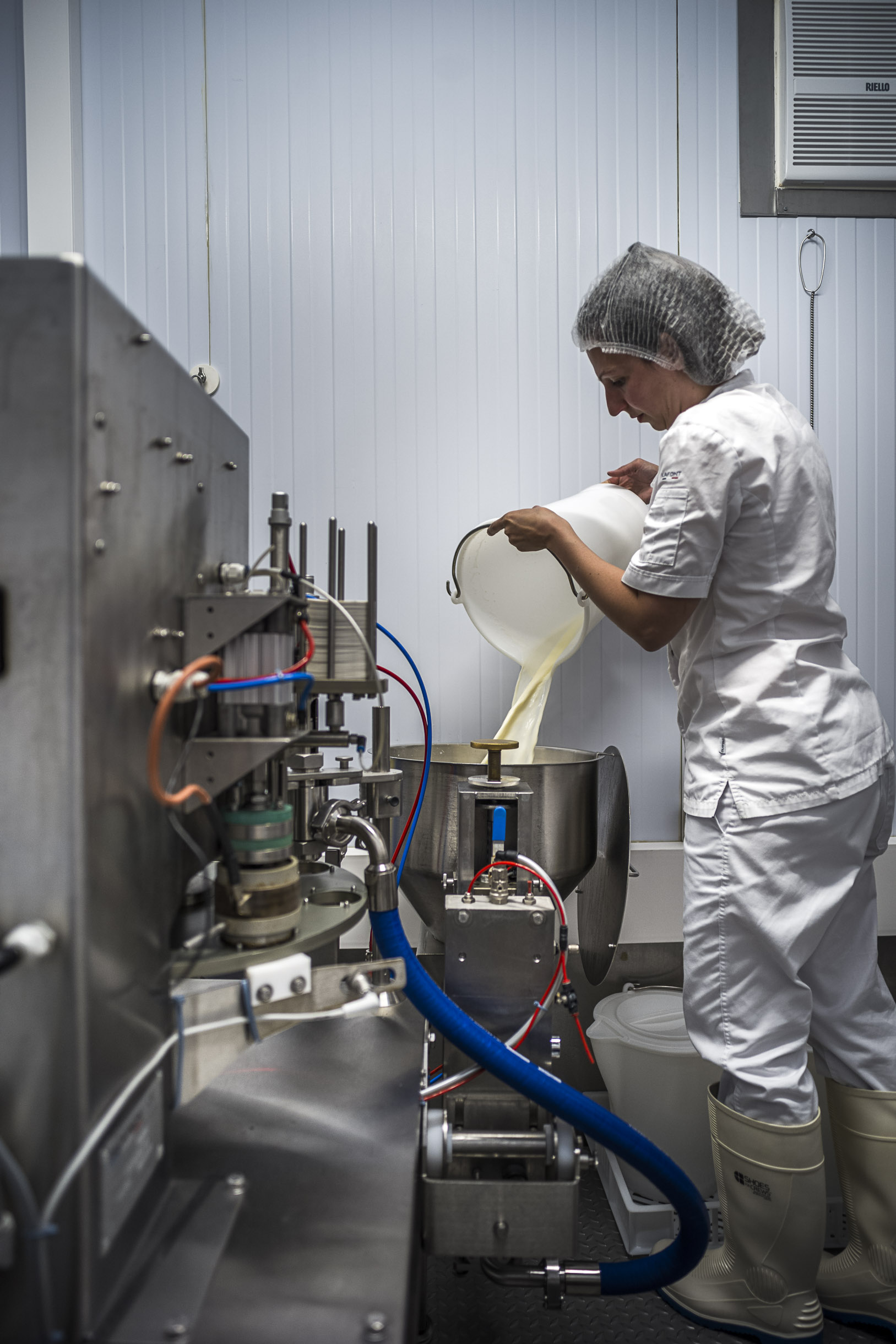
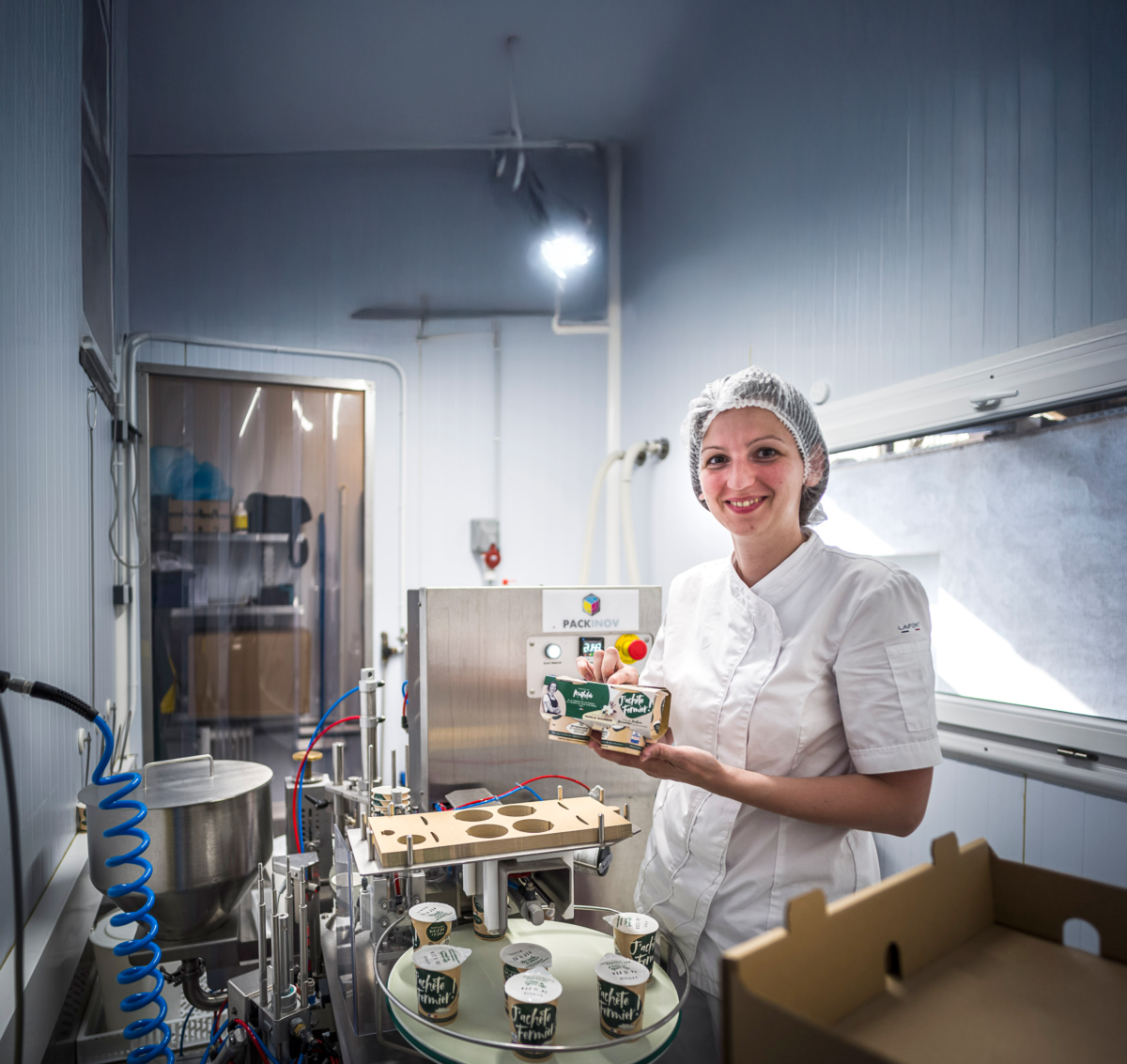
  • A network of micro-processing plants, built in shipping containers, installed as close as possible to production and consumption areas, and quickly deployable anywhere in France. 
  • RESAN handles administrative management of client relations: tenders, marketing/contracting, client visits and relationships, creation of logistics routes, invoicing, etc. 
  • Technical support (R&D, quality, maintenance, purchasing) 

An innovative model that ensures a fair distribution of value from producers to consumers, enables the relocation of processing at the heart of local areas, and sustains agricultural production by reducing farmers’ investments. 

More than 10 partner farms are involved in the project. 

Entrepreneurs: 

André Bonnard, a dairy farmer in the Loire, founded RESAN in 2020. With his professional and personal experience, he knows that on-farm processing allows farmers to capture more value, build relationships with consumers, but at the same time it requires significant financial and human investments when a farm embarks on such an endeavor alone. 

Bastien Debras and Virginie Faure joined André on this journey. Today, they both lead the company’s day-to-day operations as co-directors. 

Together, supported by a team of about ten colleagues, they are passionate about developing this forward-looking model. 

Impact: This initiative creates value for: 

  • Farms: job creation, capturing value, a family project (spouses returning to work on the farm, projects to pass the farm down for generations) 
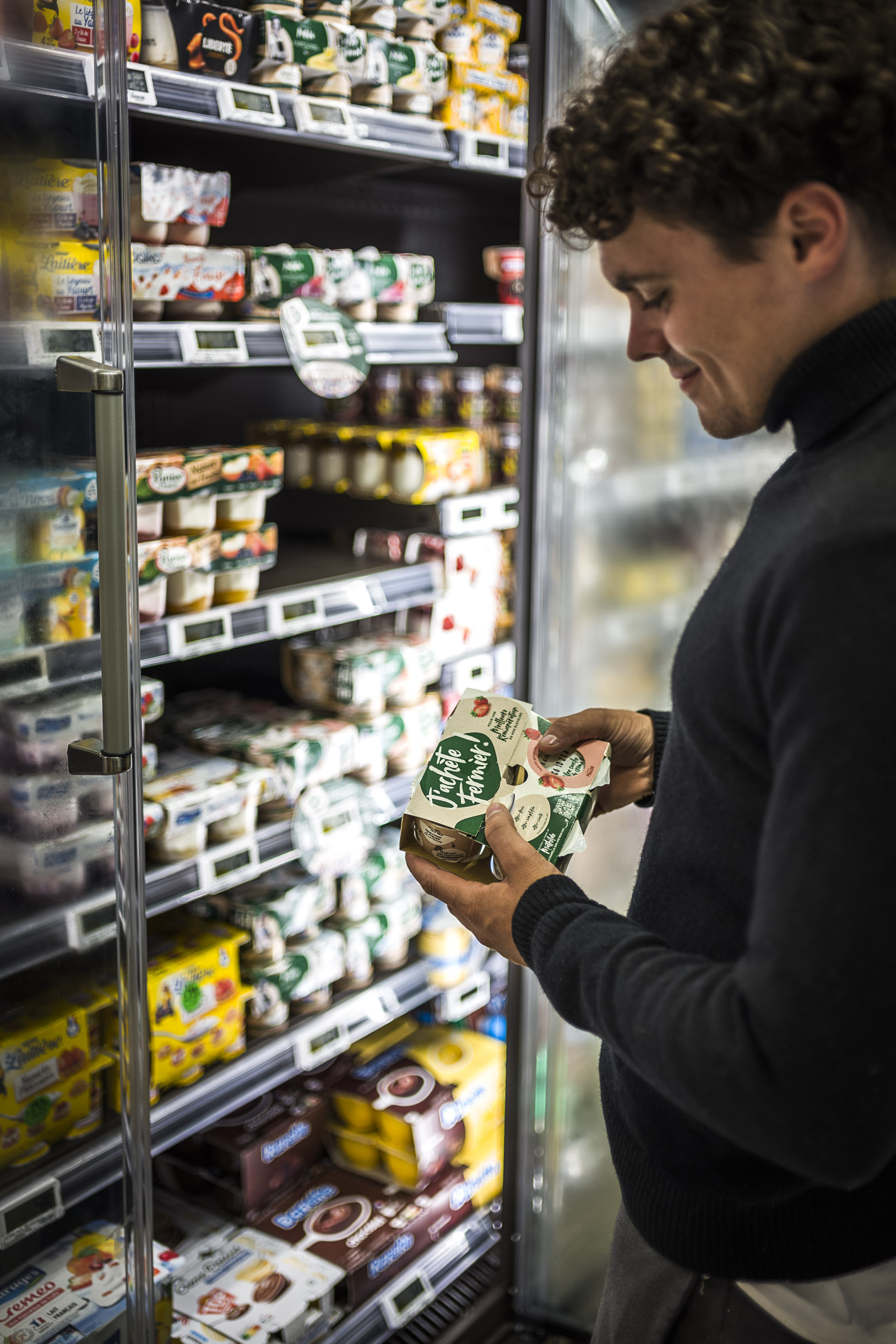
  • Consumers: they find local, farm-made, healthy, and fair products in their usual places to eat or to shop 
  • Clients: the project is valued and supported by a wide variety of clients, especially those committed to passing on the project’s values 

Economically, this model generates on average 29% additional revenue for the farm’s dairy activity by processing just 5 to 10% of its milk. (Source: RESAN – 2024 figure, for a farm producing 600,000 L of milk valued at €461 per liter in the traditional supply chain). 

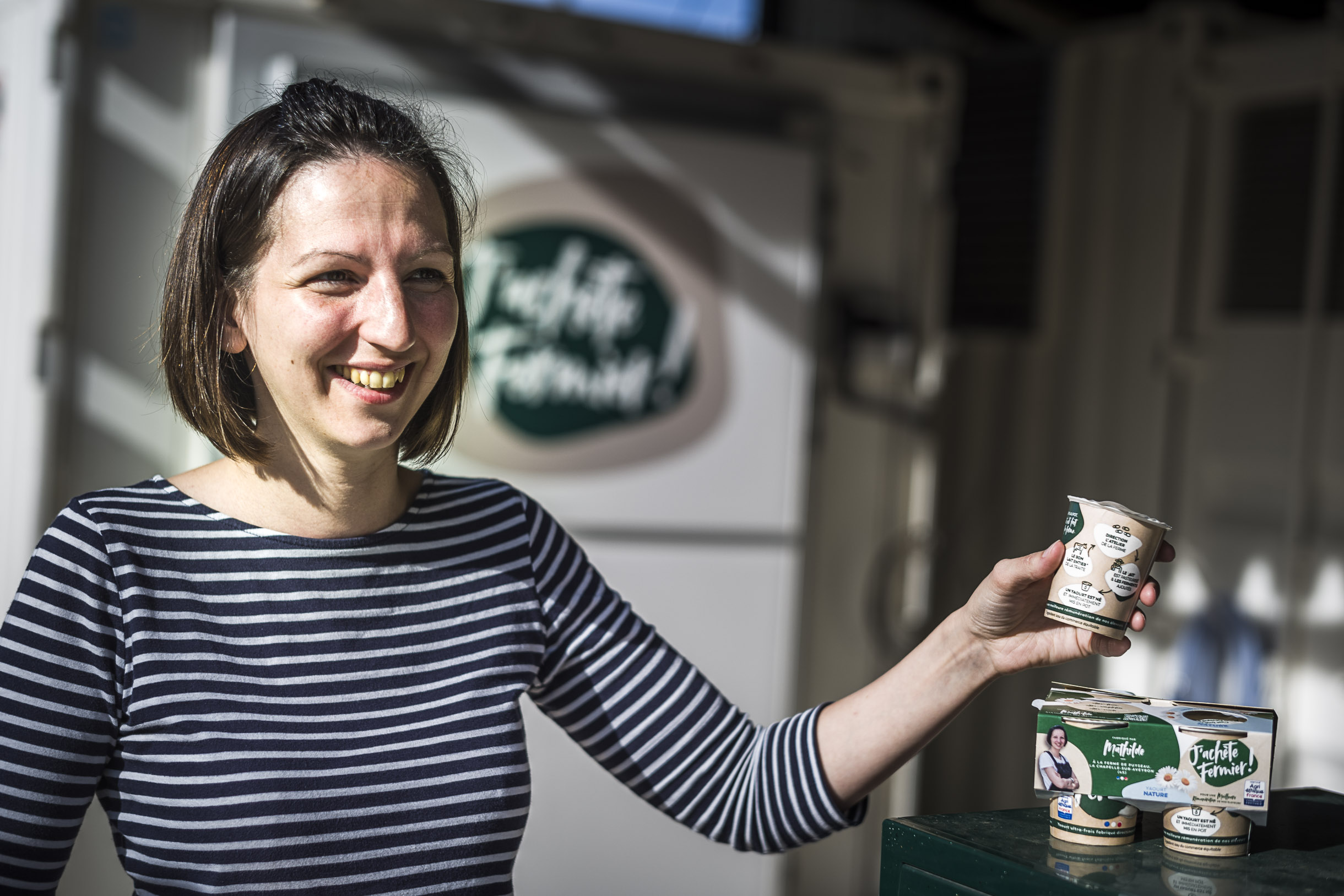
Since 2023, “J’achète Fermier”, RESAN’s multi-local national brand, has been certified fair trade by the Agri-éthique France label. This certification recognizes the brand’s approach and its commitment to better pay for partner farms. The label’s principles rest on three pillars: price, volume, and commitment duration. 

How Danone Communities actively supports RESAN, some concrete examples: 

  • Patient financial support: Danone Communities invested in RESAN to strengthen its local production capacity and speed up its development. 
  • Technical assistance: Danone employees contributed through the Impact3 program, bringing their expertise in marketing, logistics, and finance. 

By supporting RESAN, Danone Communities helps sustain upstream agriculture, which is essential to continue delivering health through food. 

10

Micro-factories

*Impact figures from the Danone Communities report as of the end of 2024

Testimonial from Laure, partner farmer: “I can rely on the team’s expertise in every area. The commitment to marketing is a real advantage—it allows me to sell my products through channels I would never have accessed. I am valued for the product I process, all the way to the consumer!” 

Testimonial from a central kitchen director: 

A partnership that works for responsible catering!  For over a year, our farm has been committed to supporting local dairy producers in partnership with “J’achète Fermier”!  Thanks to this collaboration, we have incorporated yogurts from producers in our region, ensuring more equitable pay for them. Since January 2024, we have managed to involve 28 sites and consume 13.4 tons of yogurt! One more step toward more sustainable and local food. Thank you to all our partners and teams for their commitment to this great initiative! Together, let’s make a difference!” 
Categories
Water

F Cubed

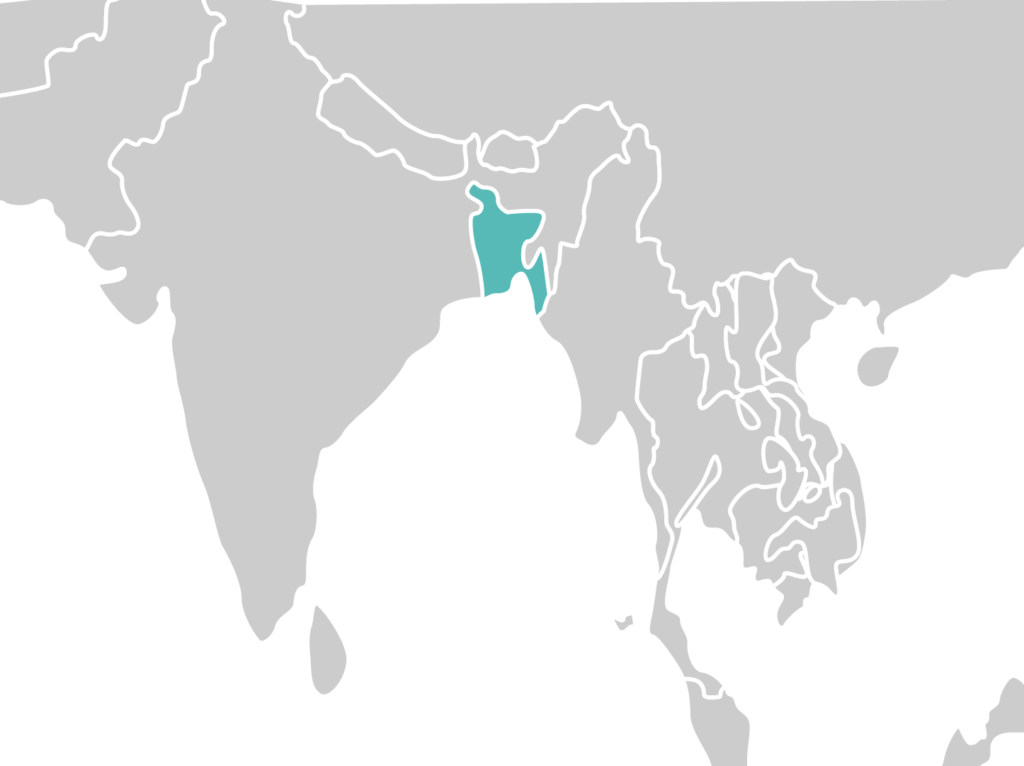
Bangladesh

  • Population: 174 million (Source World Bank 2024
  • Population below the $4.20 per person per day poverty line: 20.46% in 2022 (The World Bank
  • In Bangladesh, 68.3 million people lack access to safely managed drinking water at home (source JMP), and it is estimated that 5 to 30 million people are at risk of drinking water contaminated with arsenic or high salinity levels (source). Furthermore, climate change is accelerating sea level rise and increasing both arsenic and salt contamination in groundwater (source). 
  • 41% of all water sources in Bangladesh are contaminated with E. Coli bacteria (source


Play video

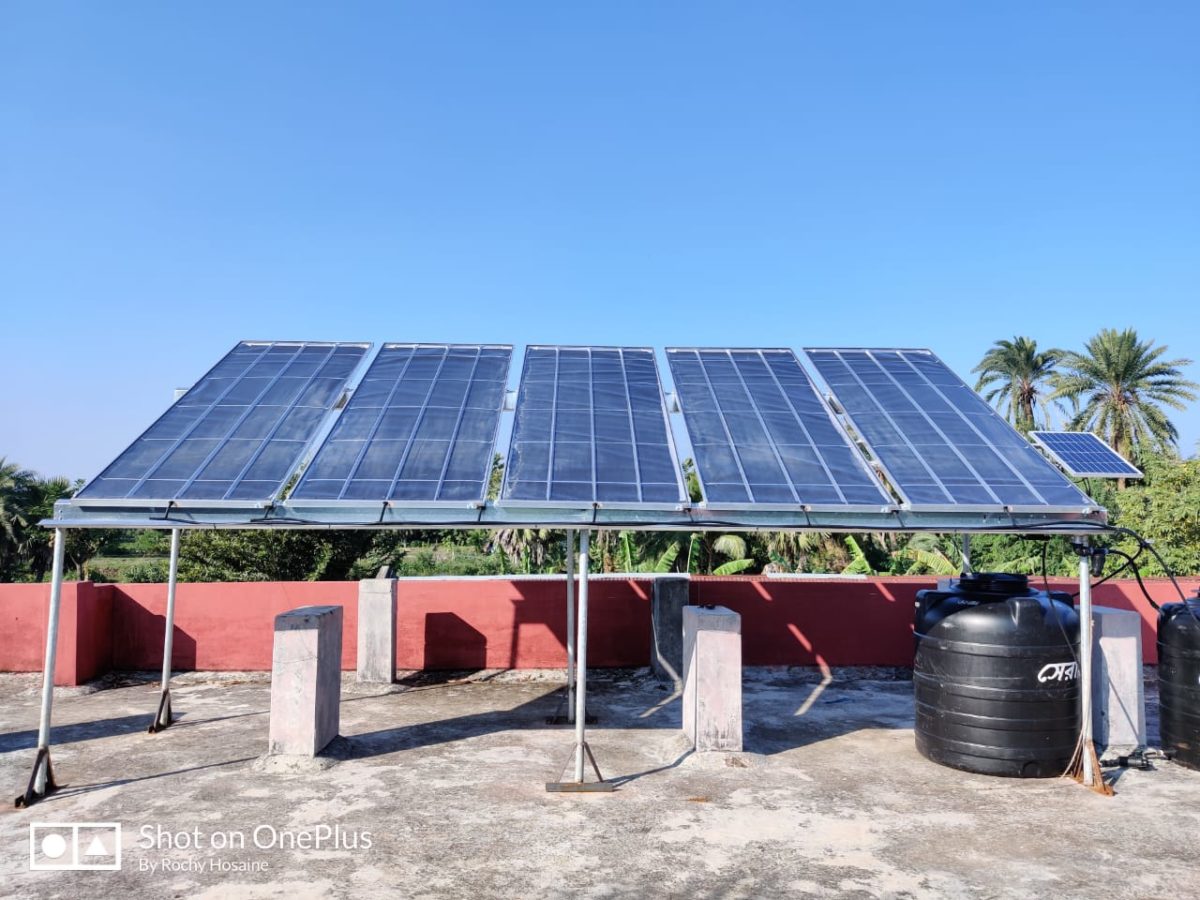
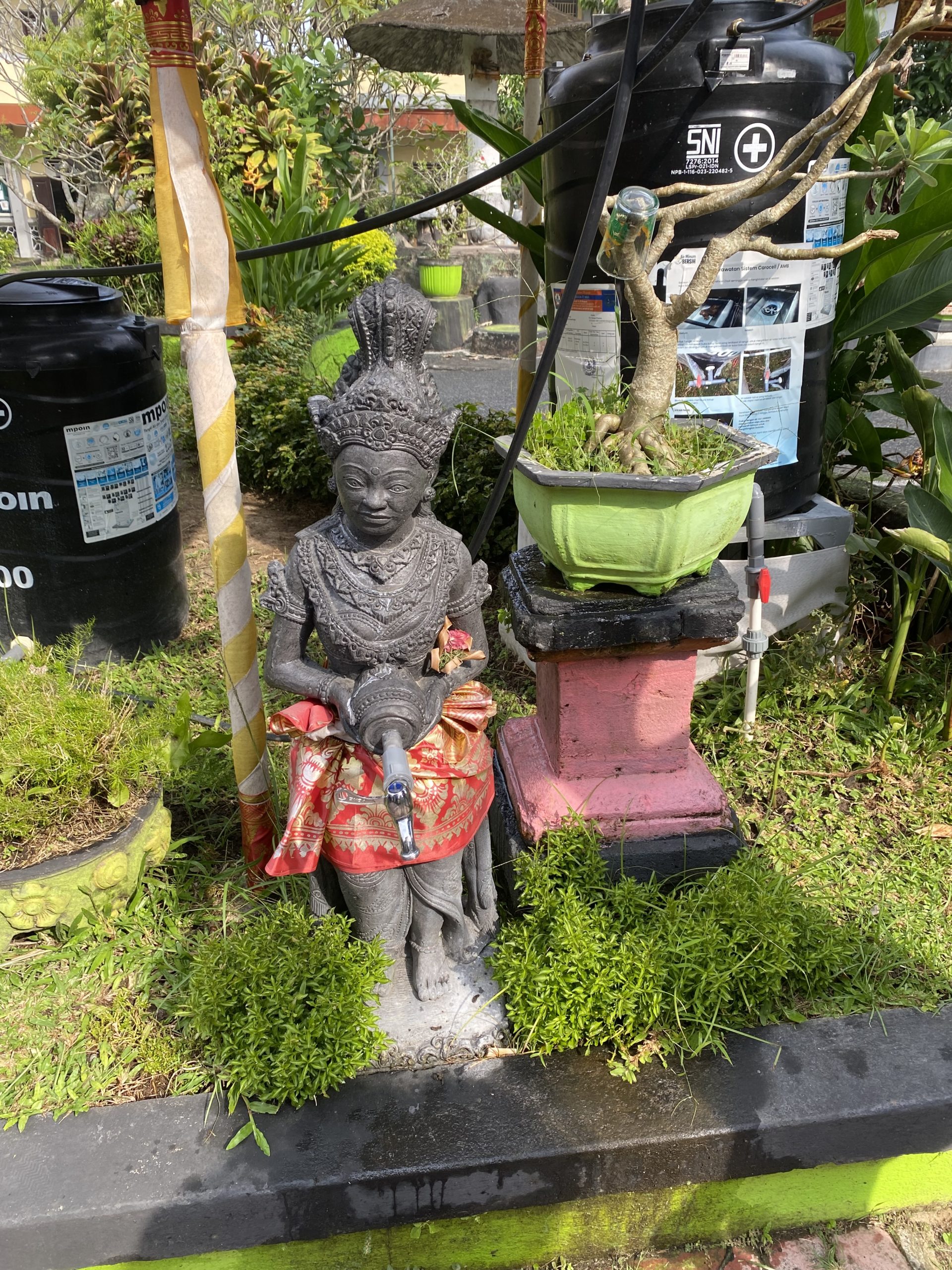
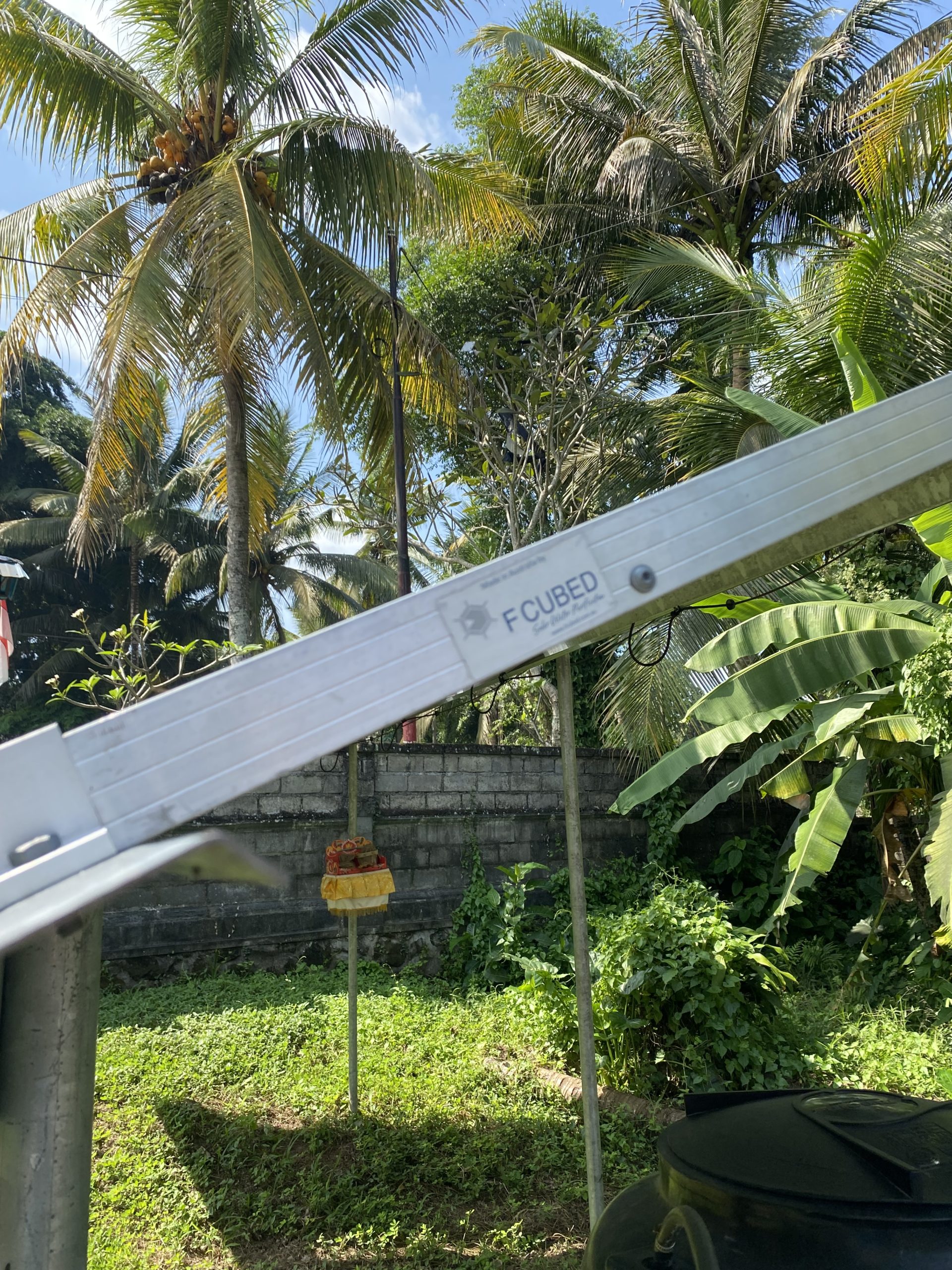
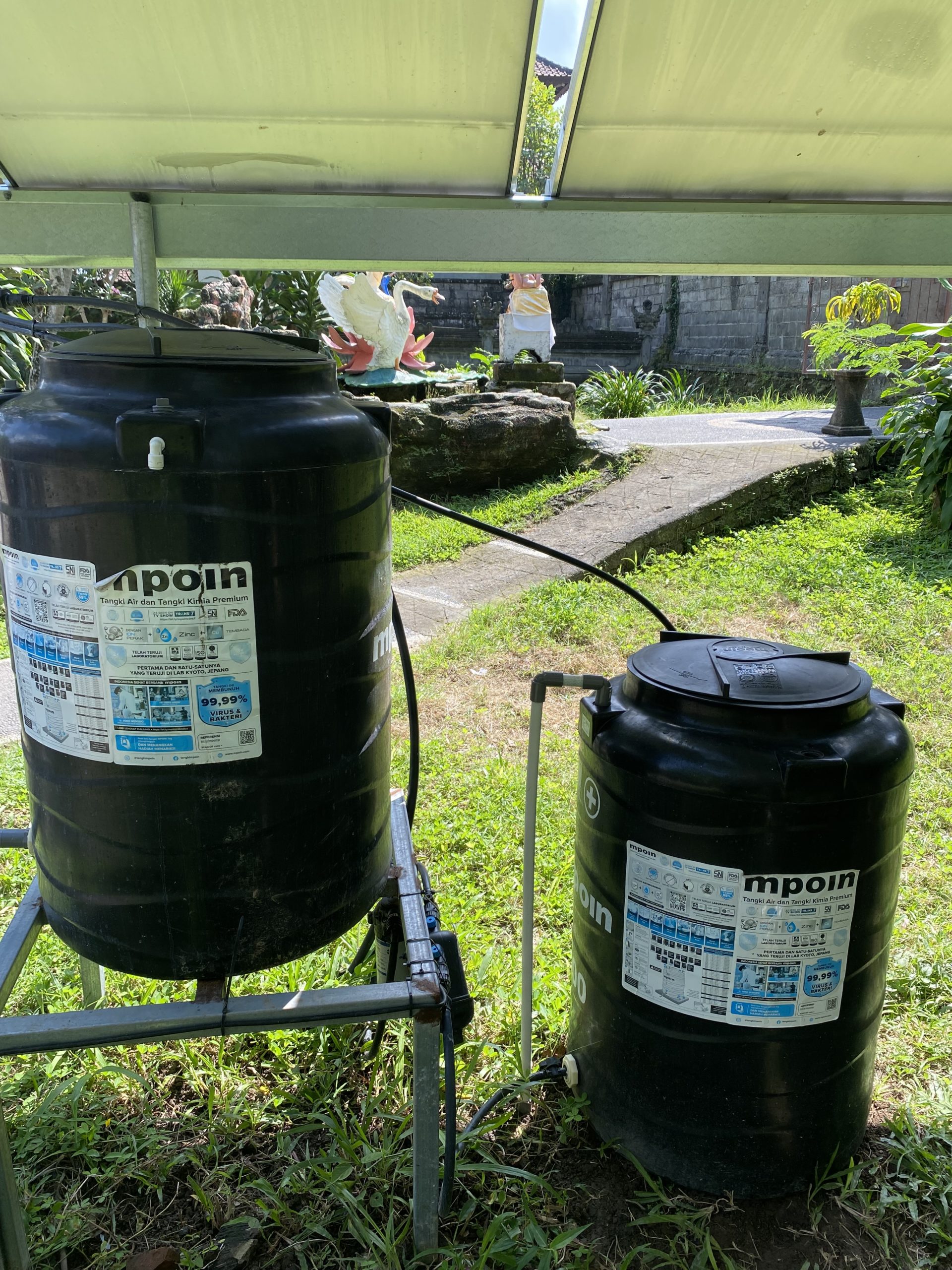
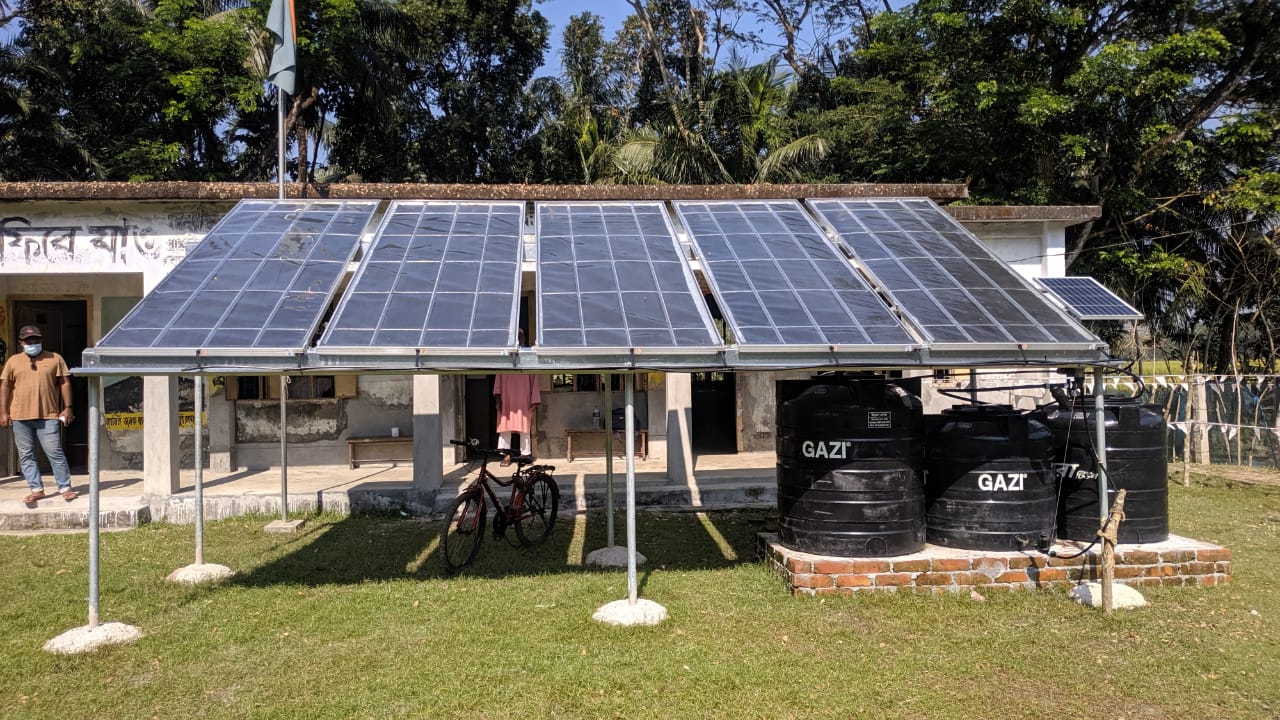
F Cubed is a social enterprise founded in 2010 by an Australian engineer. The company designs and installs solar distillation systems to produce drinking water in remote and off-grid areas. These systems are particularly well-suited to Bangladesh, where groundwater is contaminated with salt or arsenic, and they significantly improve the health of local populations. 

Today, F Cubed is led by Chris Bryce, who, after leaving a publicly traded company in the services sector, chose to develop a project with a strong impact on the health of vulnerable populations. 

The Carocell system developed by F Cubed allows for: 

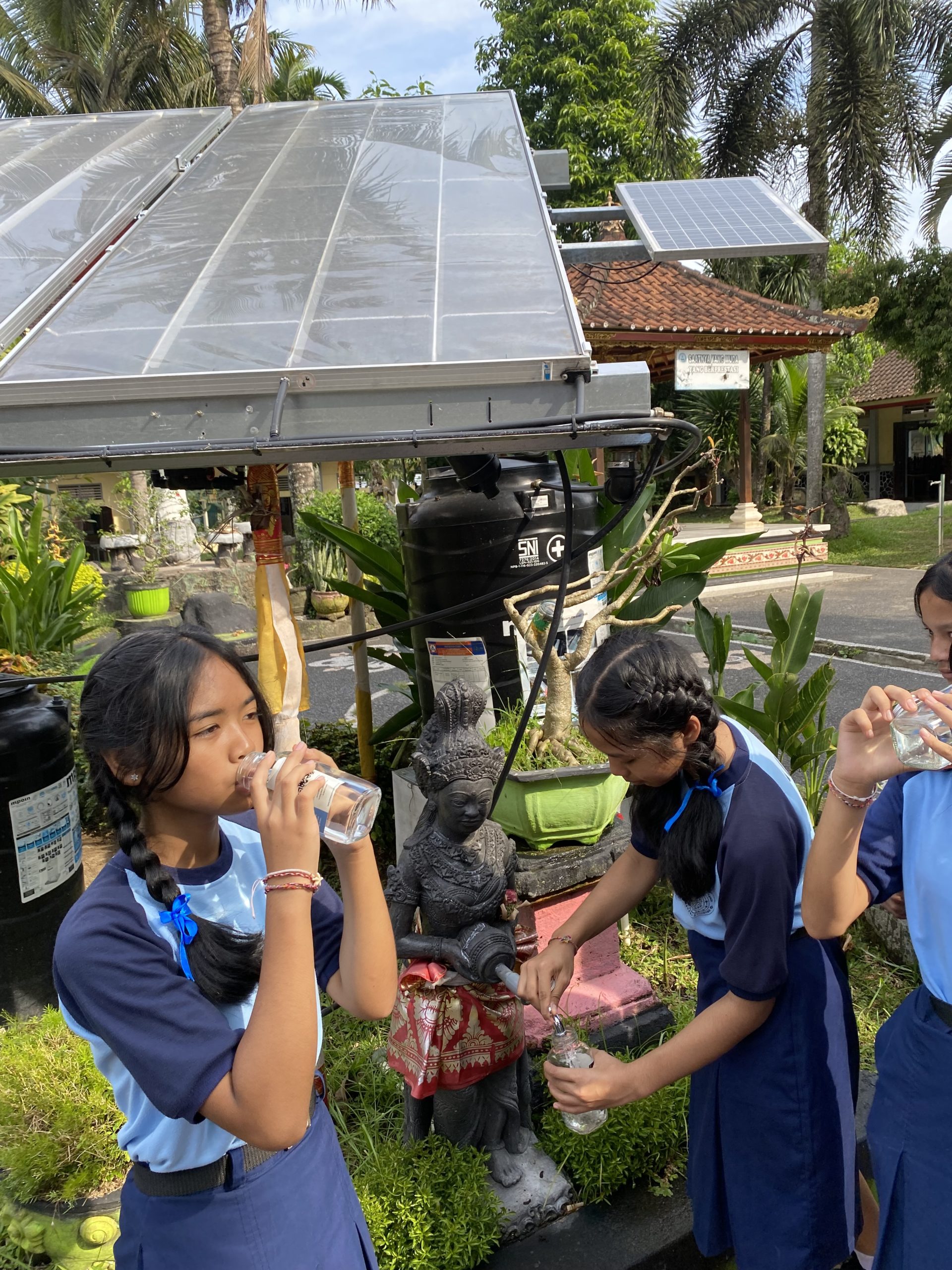
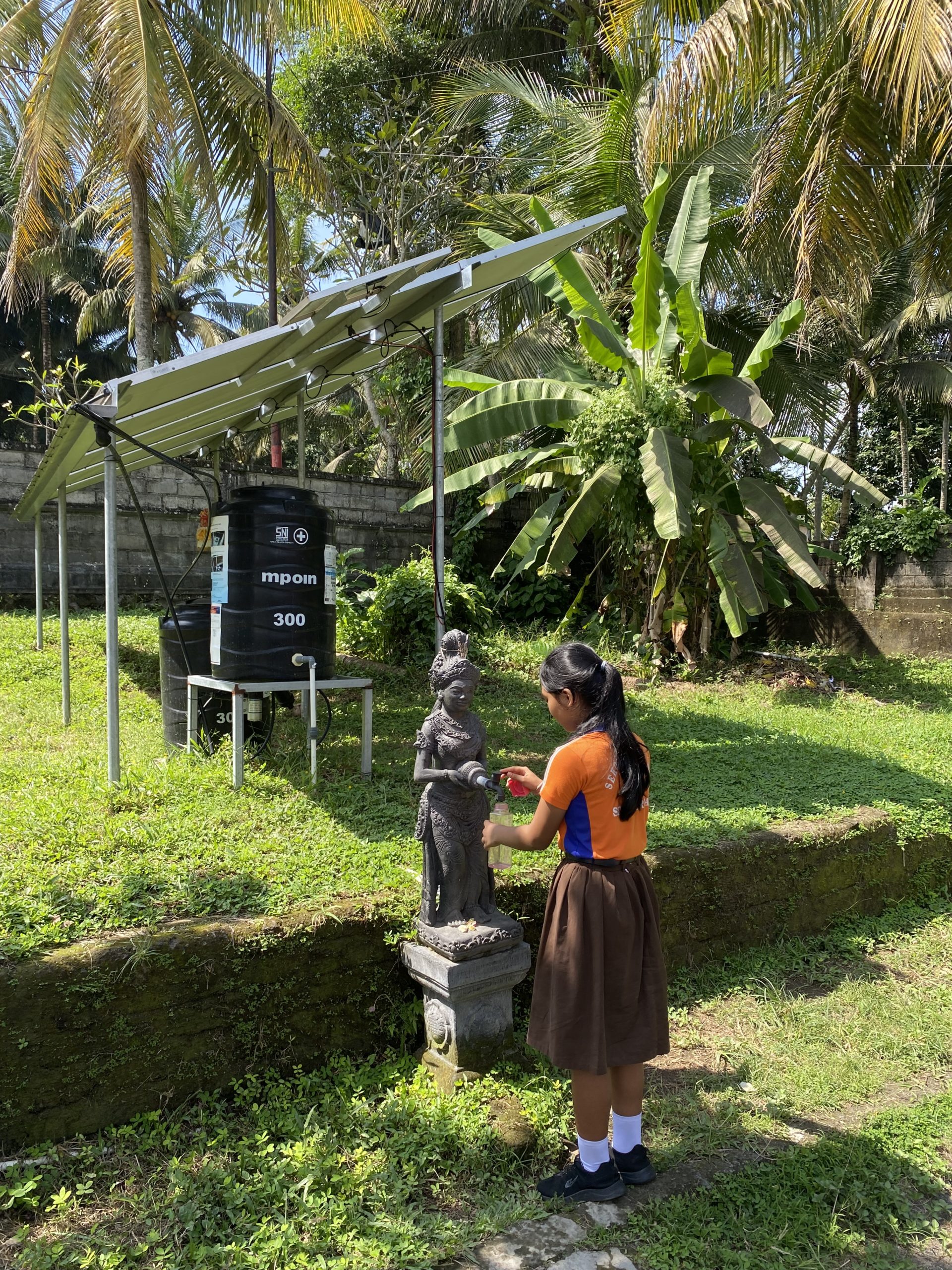
  • Producing 80 to 100 liters of drinking water per day without electricity 
  • Collecting and purifying rainwater 
  • Operating with very little maintenance, ideal for rural schools 

An innovative technology and business model

  • Low-tech technology: solar distillation + rainwater harvesting 
  • PPP model (public-private partnership) with the government of Bangladesh 
  • System installation to serve 200 to 300 children per school 
  • Local manufacturing and training of Bangladeshi installation teams 

The impact of F Cubed on health 

Danone Communities supports F Cubed to improve the health of vulnerable populations in Bangladesh, in line with our health mission, our commitment to innovation, and our vision of impact-driven business. The results are tangible: 

  • 276 systems installed in schools in Bangladesh to provide children with access to safe water 
  • Reduction of waterborne diseases linked to salinity and arsenic 
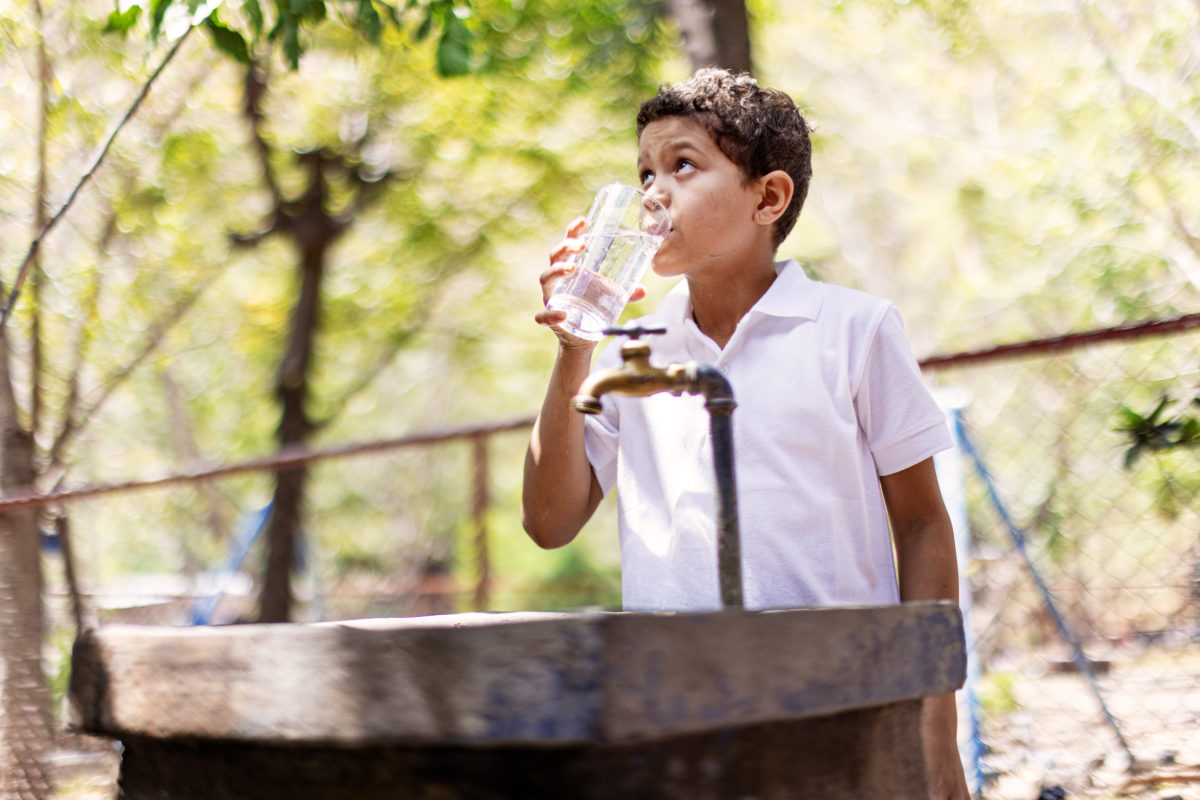
  • Improved hydration and concentration among students 
  • Access to safe drinking water in the most vulnerable areas 

>>> To learn more: Solar Water Purifier – Water purification systems 

How Danone Communities actively supports F Cubed, some concrete examples: 

  • Patient financial support via a strategic investment 
  • Support in structuring the PPP model 
  • Networking with local authorities and technical partners 

22,000

People impacted in 2024

276

Systems installed in schools

* Impact figures from the Danone Communities report as of the end of 2024

Student

at a school equipped with the F Cubed system

“Now that we have this water, we save money because we no longer need to buy water from the cafeteria.”

Categories
Water

Cova

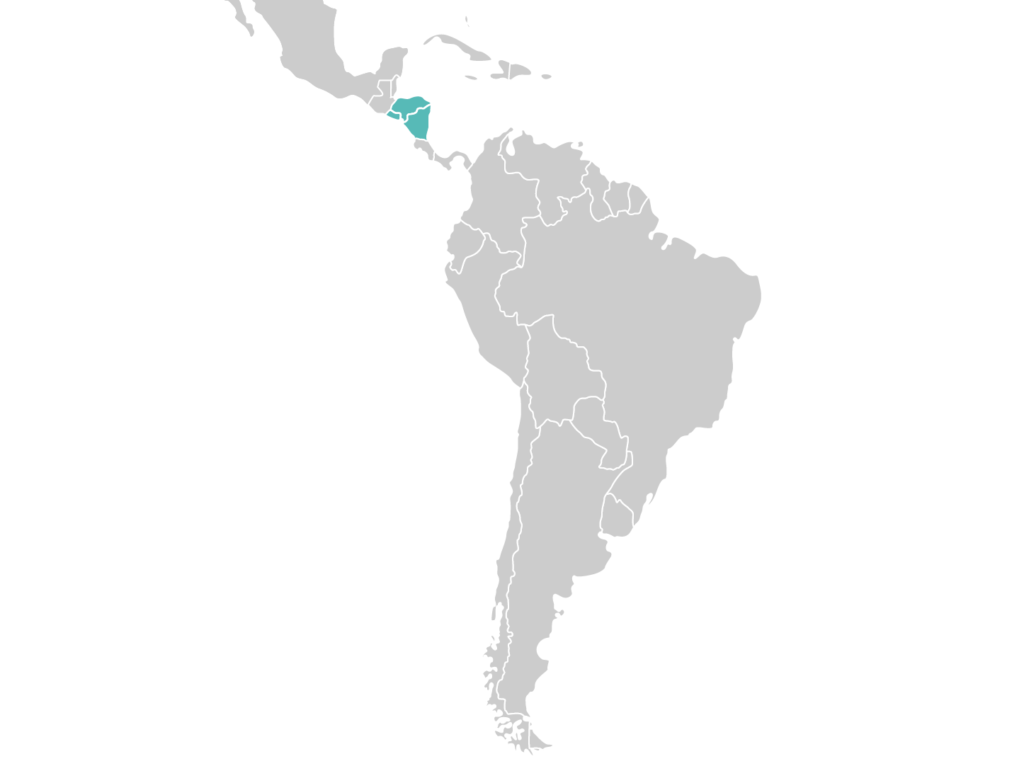
Central America (Honduras, Nicaragua, El Salvador)

  • Population: 24 million 
  • Population living below the poverty line of $4.20 per person per day: Honduras: 23.47% in 2024; Nicaragua: 15.70% in 2014; El Salvador: 8.60% in 2023 (The World Bank) 
  • In this region, rural water systems face issues with reliable service and water quality, exposing communities to a high risk of waterborne diseases. Managed by local communities, these systems suffer from aging infrastructure, inadequate water treatment, lack of maintenance and quality control, and poor financial management. (source


Play video

Video by Cova

Cova: Sustainable access to safe drinking water for rural communities in Central America 

In Central America, access to safe drinking water is a major challenge for rural populations. Water networks, often old and managed by community water committees, suffer from a lack of professional maintenance, frequent outages, and insufficient water quality, creating health risks for the population. 

To address this challenge, Cova has implemented an innovative model of professional maintenance

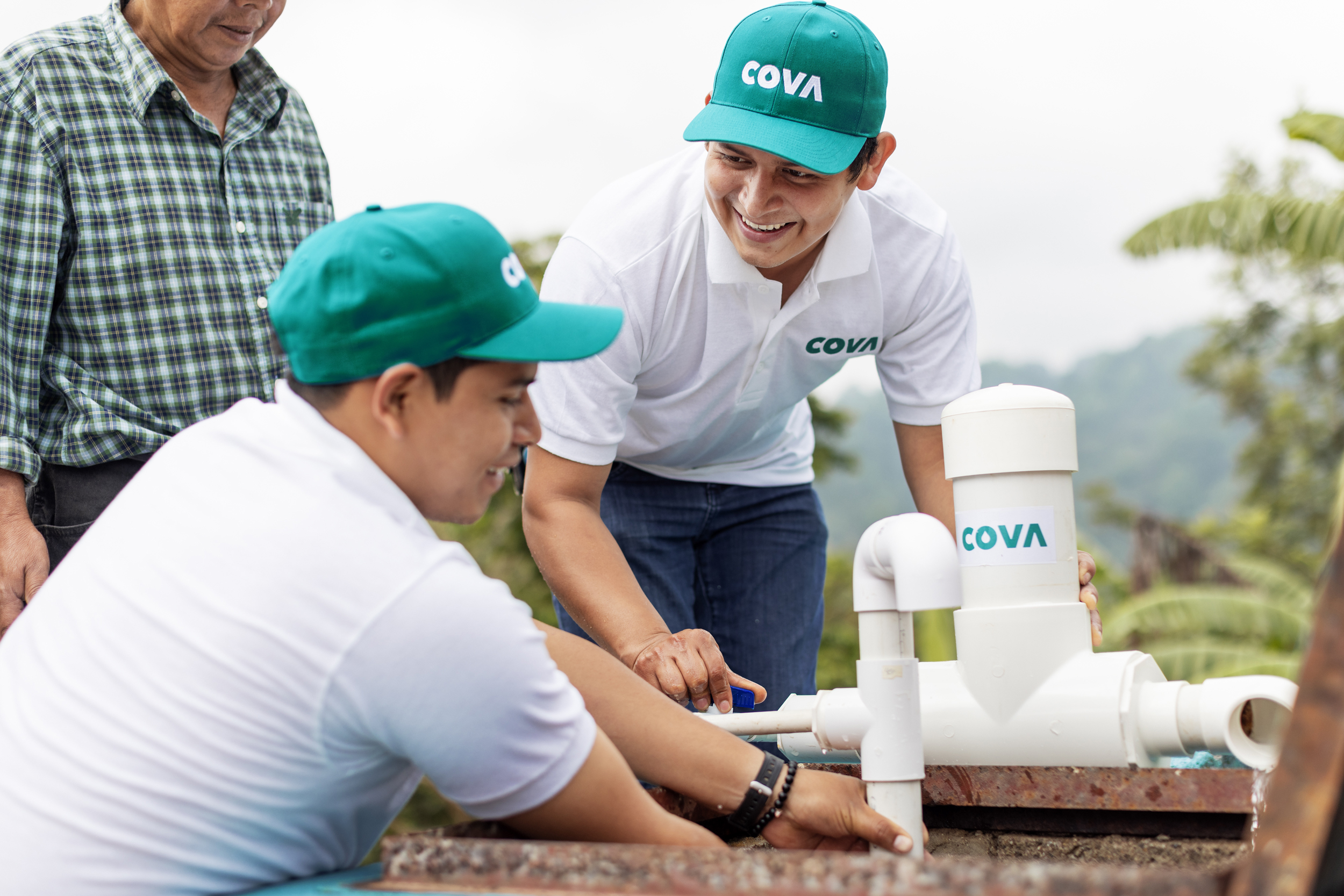
  • Upgrading infrastructure: installation of chlorination systems and equipment upgrades 
  • Water quality management with regular testing 
  • Training of water management committees 
  • Long-term technical assistance 

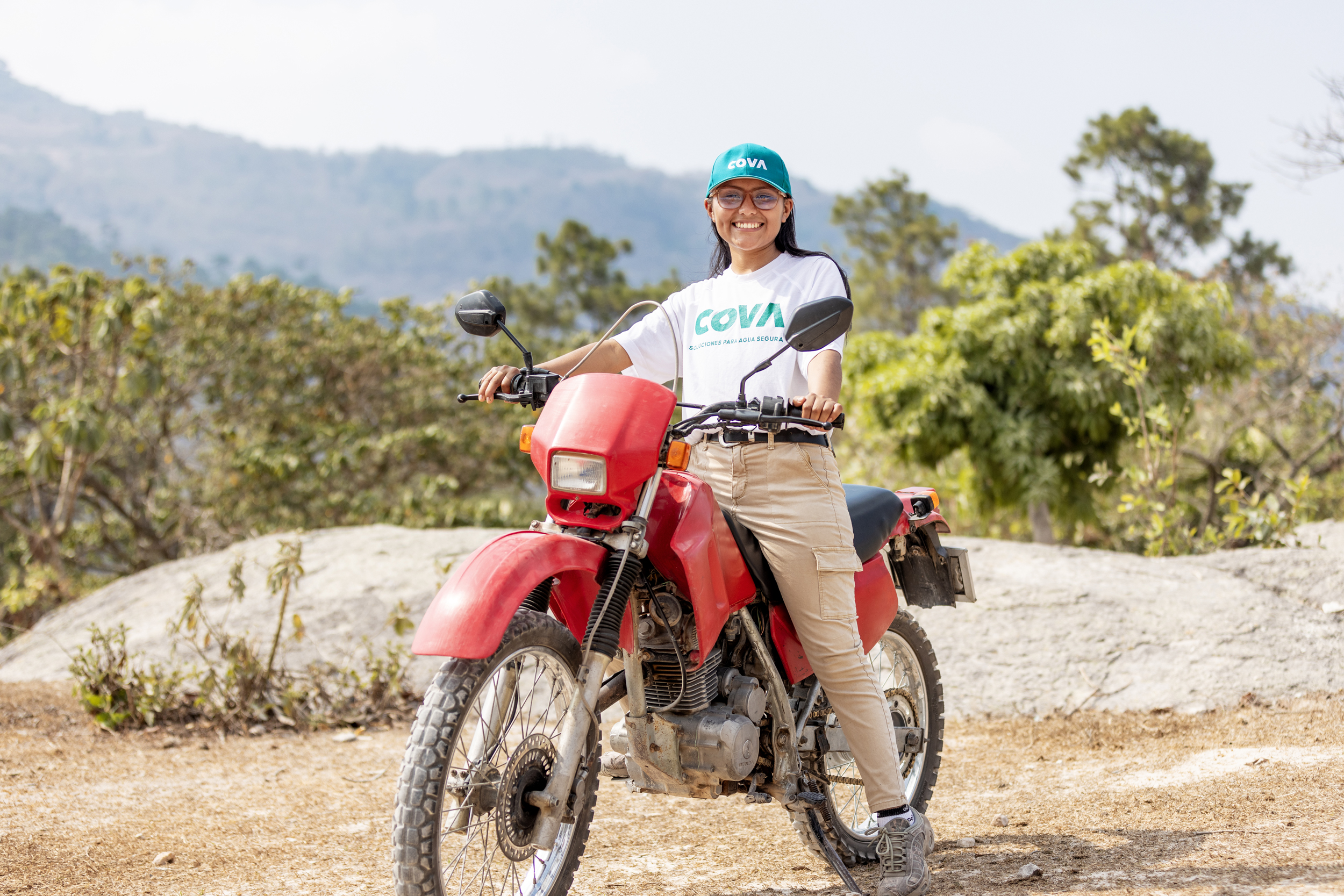
These services are provided by field teams called “Circuit Riders” who support communities in partnership with local authorities such as municipalities and health officials. 

Cova’s funding model is structured around transactional revenues, impact-linked funding, and philanthropy. 

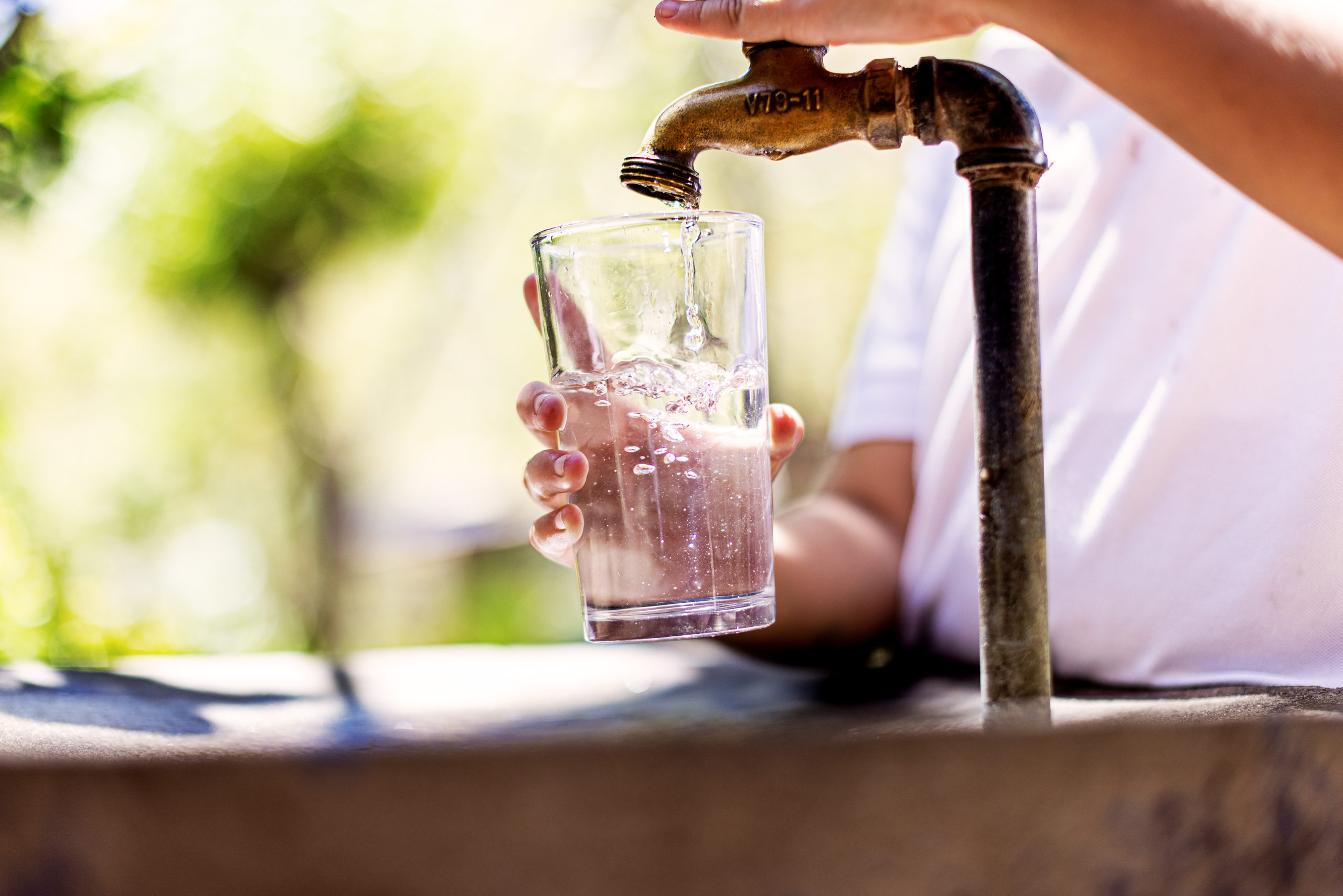
As a result, Cova is transforming the reality of water access, enabling continuous service and quality water. 

Cova’s impact on health 

Danone Communities supports Cova to improve the health of rural populations in Central America, in line with our health mission, commitment to innovation, and vision of impact-driven business. A few examples of Cova’s impact: 

  • Significant reduction in waterborne diseases thanks to reliable access to quality drinking water directly from the tap. A 2018 study in Nicaragua showed a 49% decrease in reported cases of diarrhea, with the largest drop among children aged 5 to 9, down 73% (source). 
  • 560 community water networks upgraded and monitored by the Circuit Riders team in 2024 
  • 375,000 people impacted in 2024 
  • Goal of 3.7 million beneficiaries by 2030 

>>> To learn more: https://covaagua.org/ 

How Danone Communities actively supports Cova 

  • Impact investment: Danone Communities has invested in Cova to accelerate the deployment of its model in Central America. 
  • Technical assistance: Collaboration with Danone teams to strengthen their quality processes. 

375,000

People impacted in 2024

*Impact figures from the Danone Communities report as of the end of 2024

“We are privileged to benefit from Cova’s support, which gives us access to quality water. This is so important, especially for the elderly and children in our community.” — Member of a water management committee, Honduras 

“Before Cova’s intervention, there were no water quality tests. Even though chlorination had been done in the past, it was not sustained over the long term. Now, the entire village has been trained on the importance of safe drinking water for health, and regular quality controls are ensured. We trust the water that comes from our taps.” — Community health official, Honduras 

Categories
Water

Aqua Clara

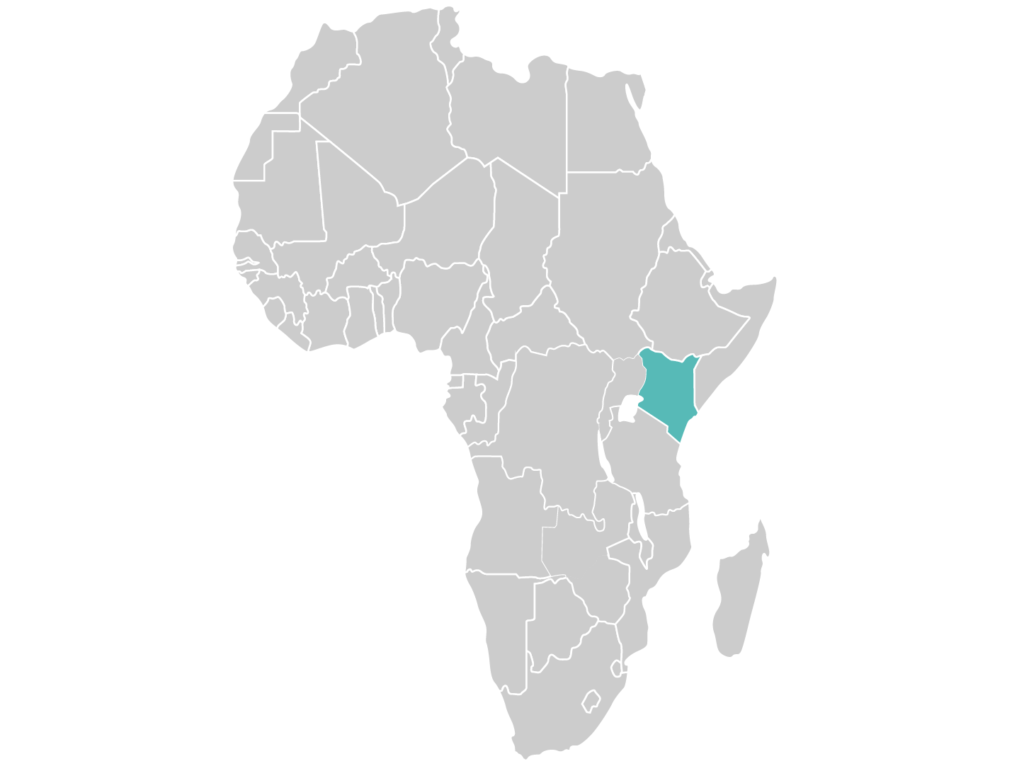
Kenya

  • Population: 56 million 
  • Population below the poverty line of $4.20 per person per day: 66.96% in 2022 (The World Bank
  • In Kenya, 9.9 million people drink directly from contaminated surface water, representing 25% of the population (JMP). 

Play video

This video was created in 2023, the figures have since changed.

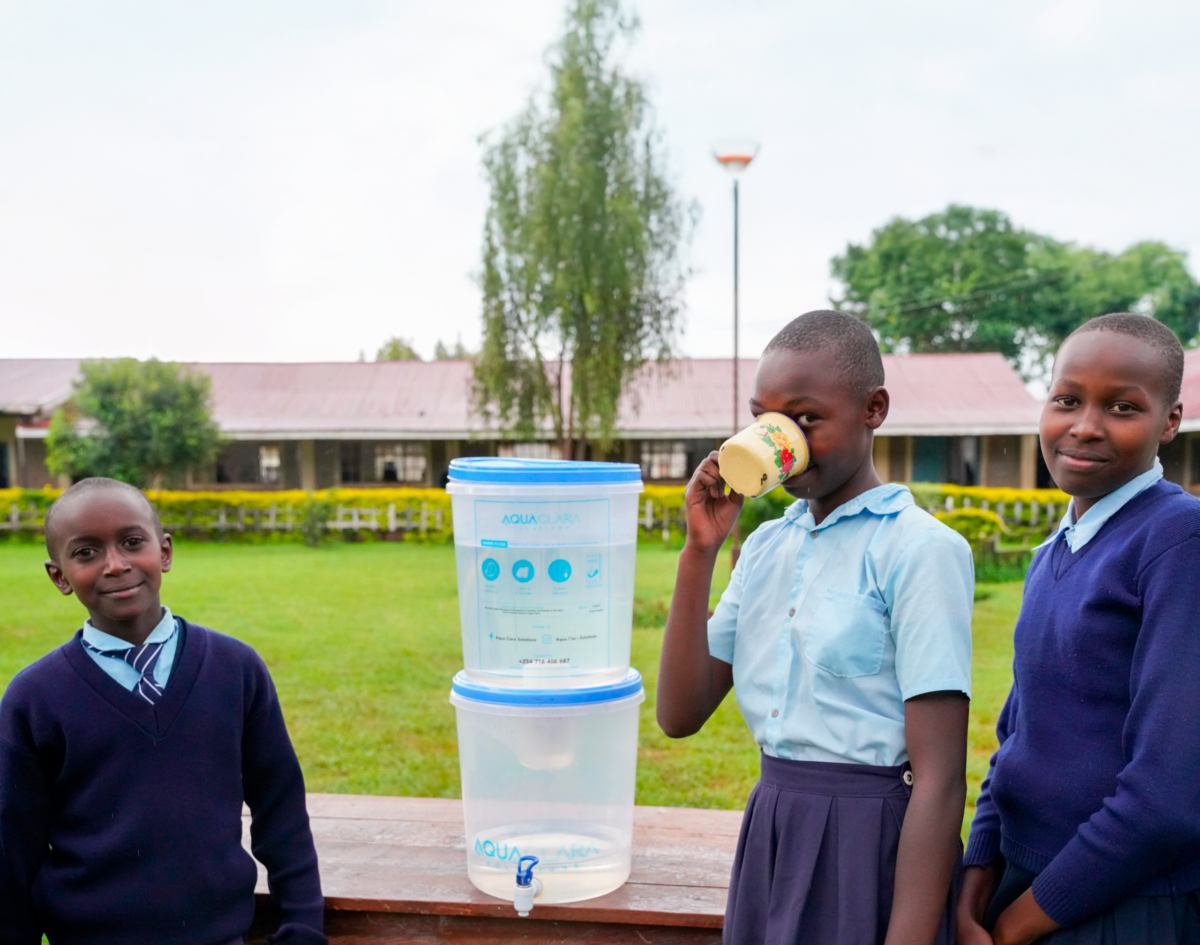
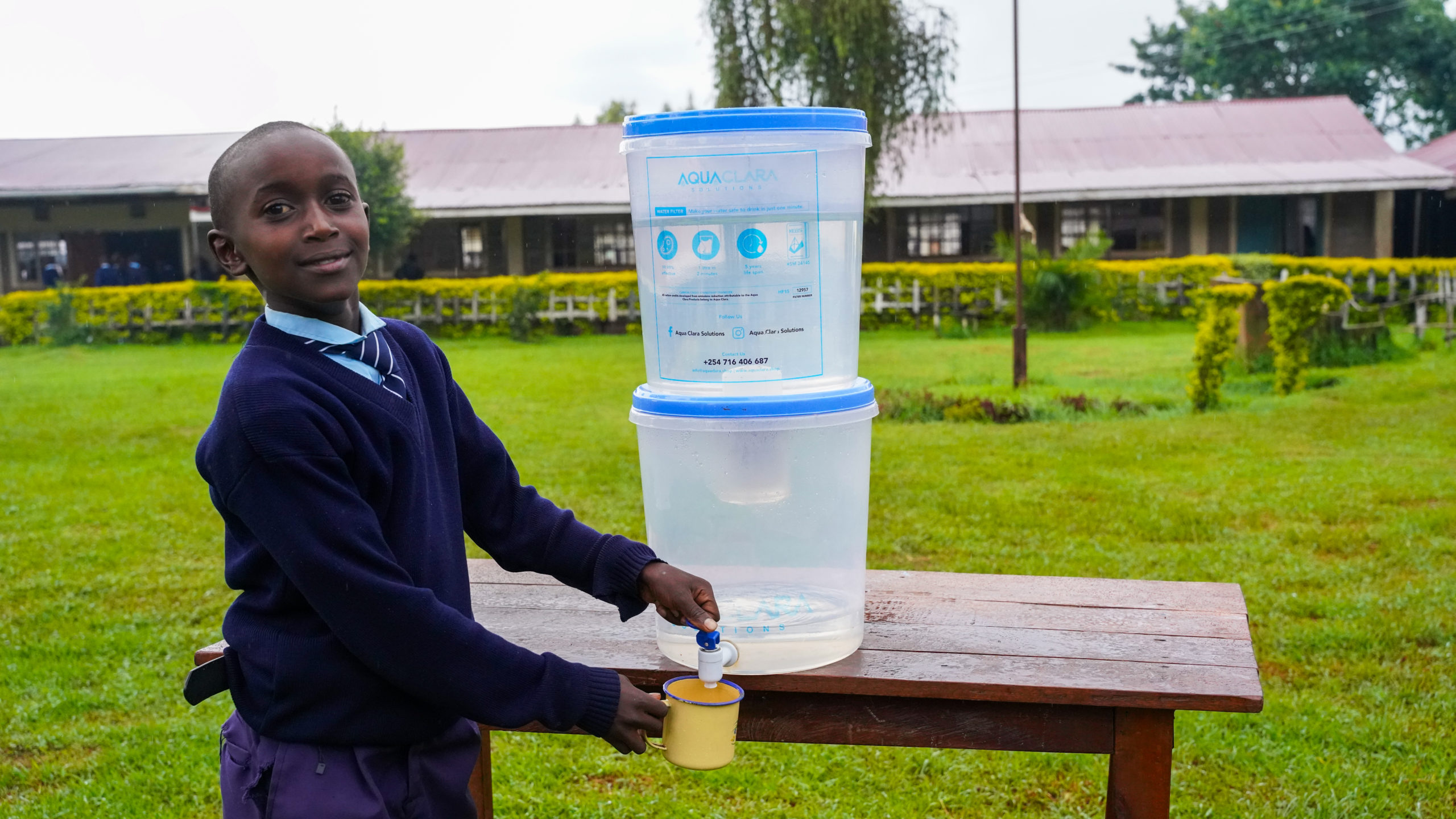
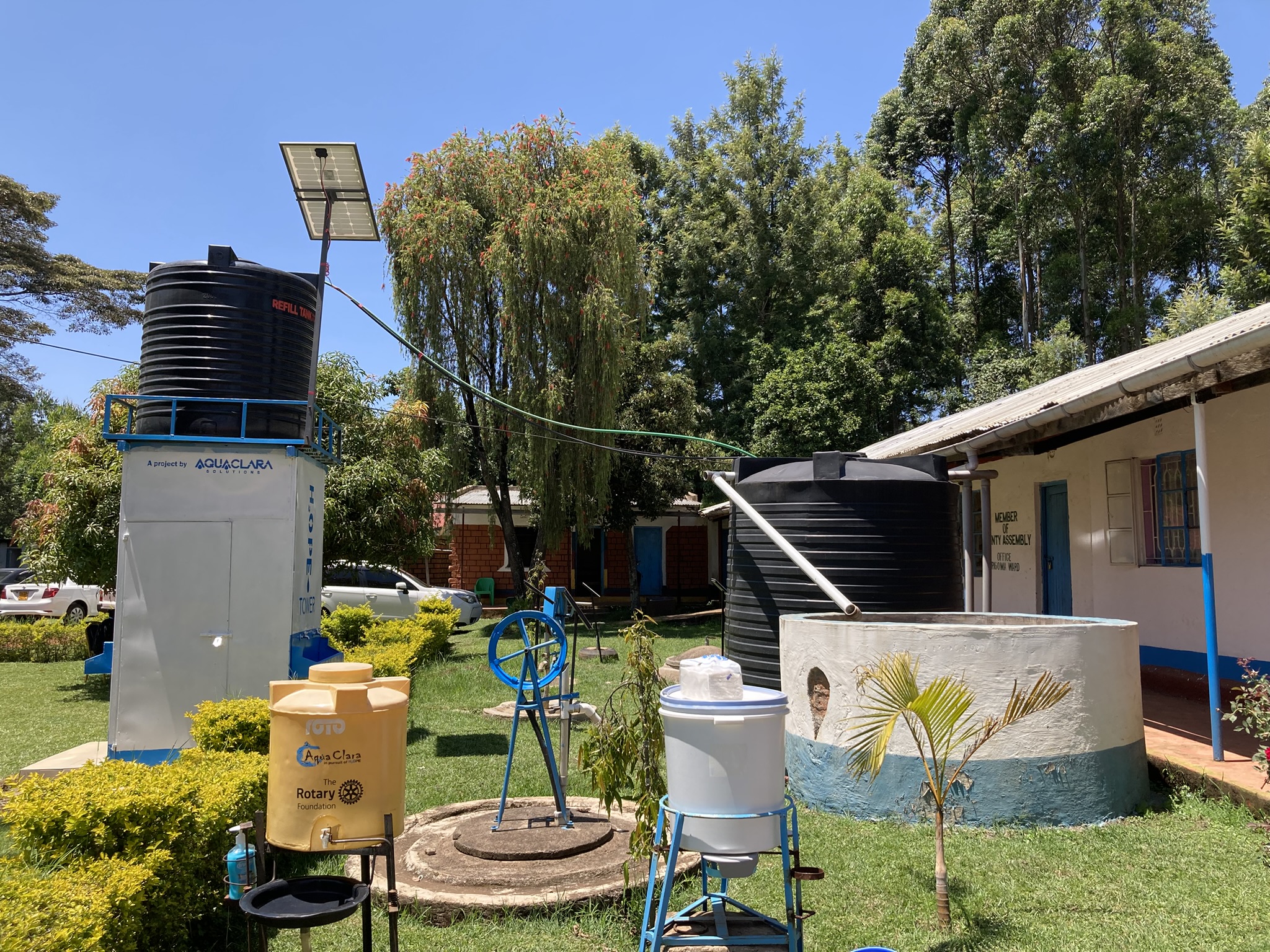
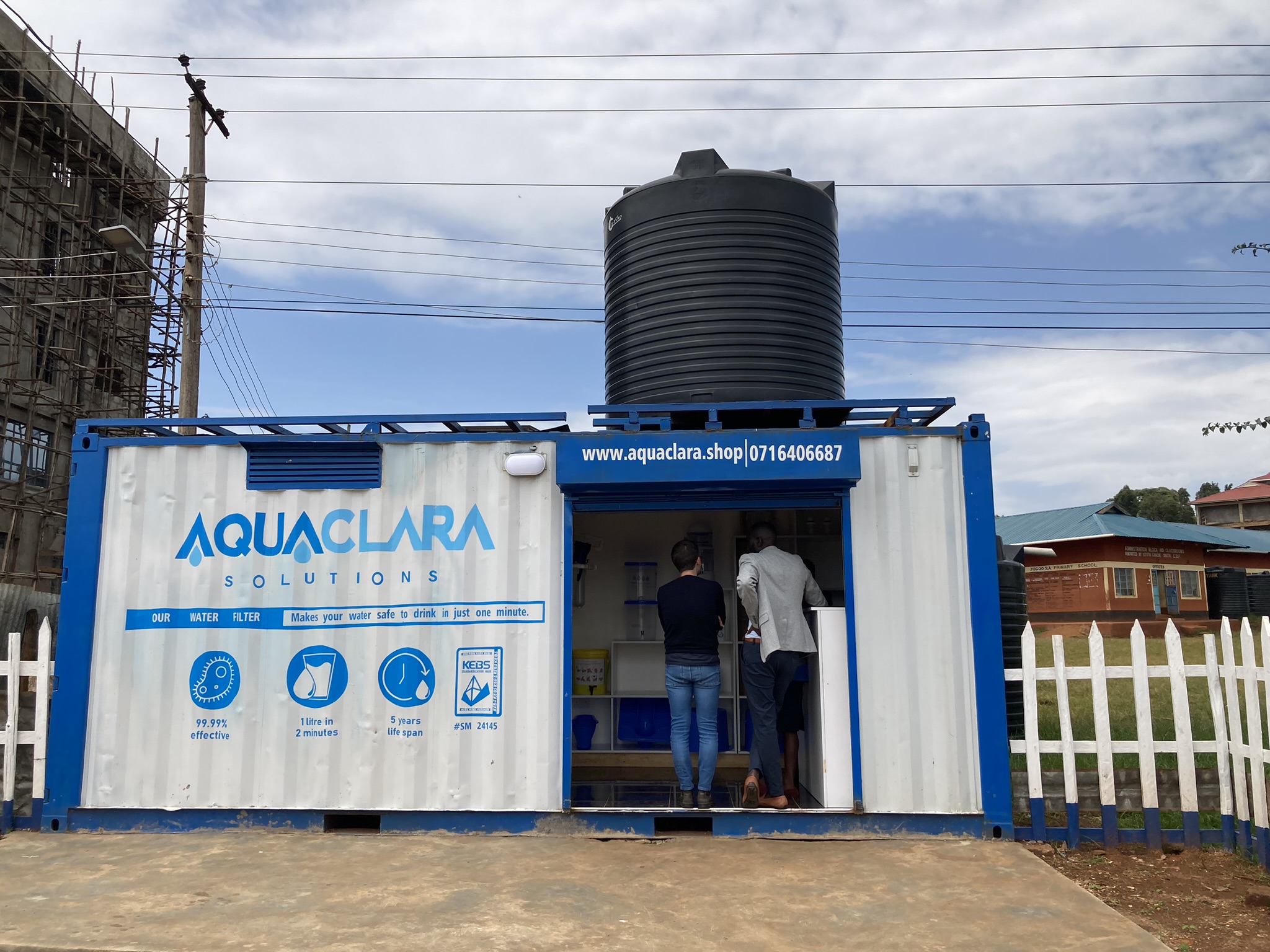
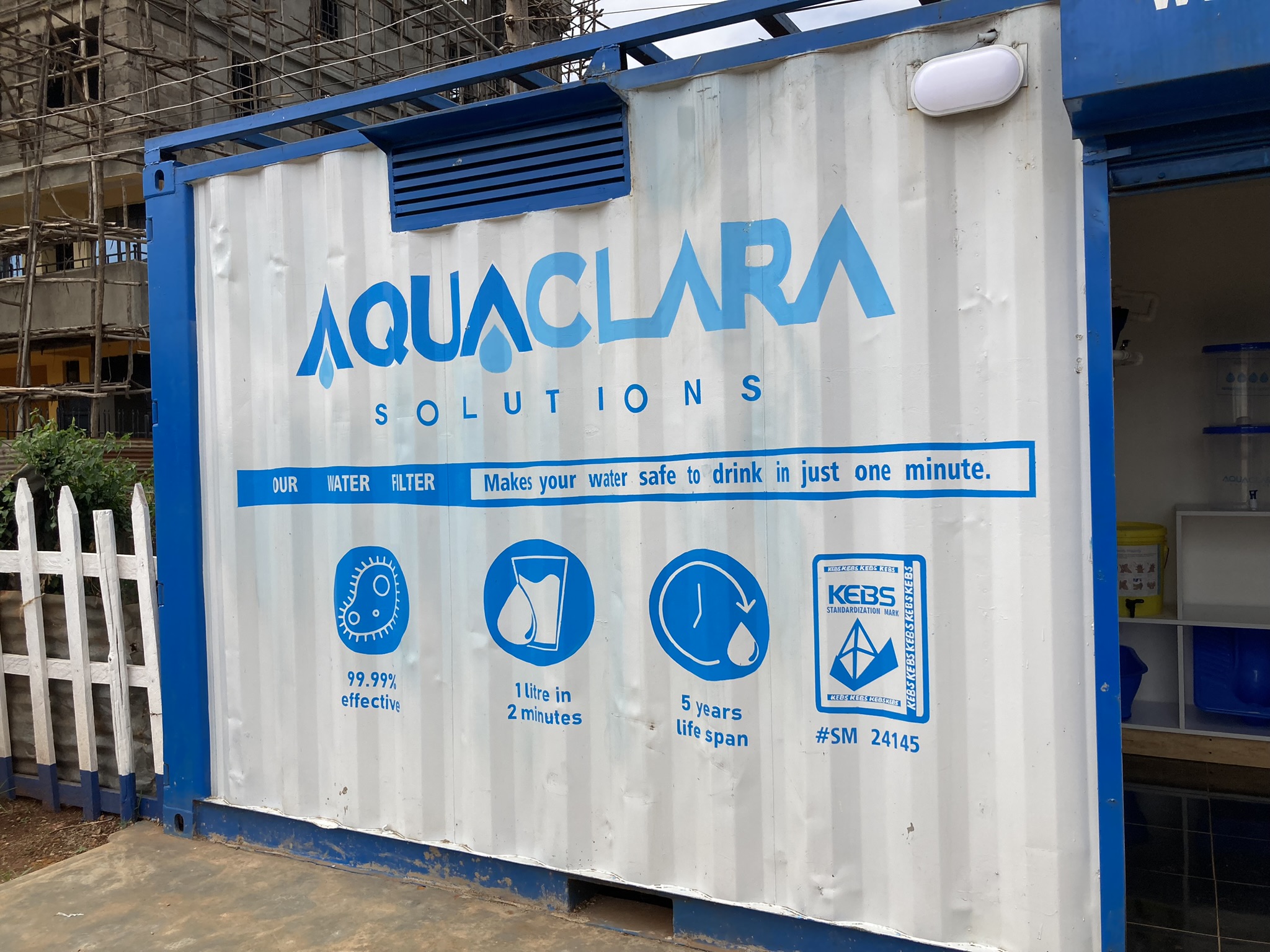
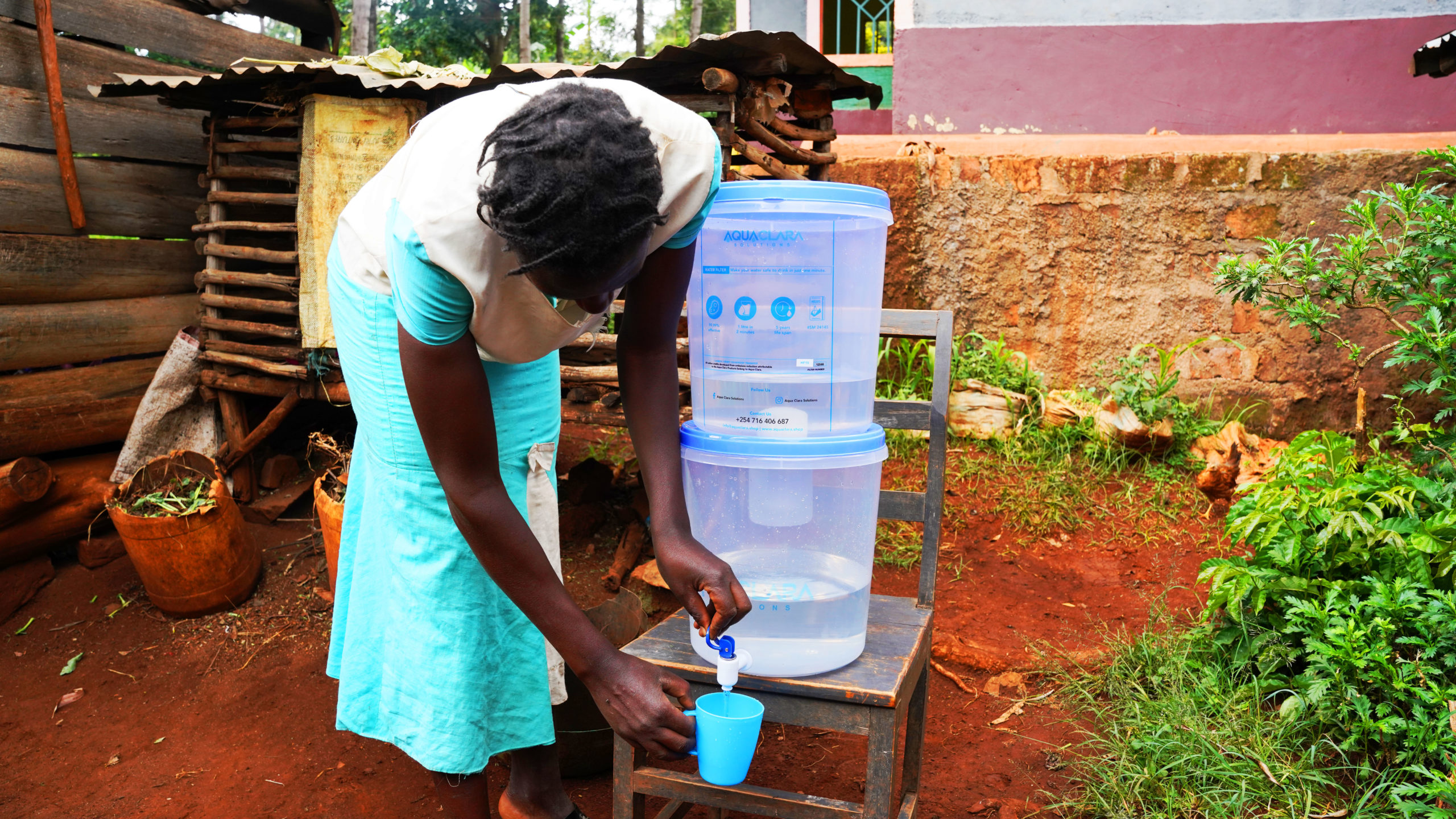
Aqua Clara is a social enterprise operating in Kenya since 2009. It develops and distributes efficient, affordable water filters based on hollow fiber membrane technology. This filtration process ensures water purification and the removal of bacteria. Intended for rural families, Aqua Clara filters make access to safe drinking water easier and contribute to improved health. To serve people living in remote areas, the “last mile” distribution model relies on a network of community health workers, enabling them to improve their income and skills. 

The organization is based on an innovative double model: 

  • An NGO that raises community awareness about water issues and creates consumer demand. 
  • A for-profit structure that ensures growth and commercial viability. 

Aqua Clara’s impact on health 

Danone Communities supports Aqua Clara to improve the health of vulnerable populations in Kenya, in line with our health mission, our commitment to innovation, and our vision of impact-driven business. The results are tangible: 

  • 79% reduction in diarrhea cases among children in equipped households (Aqua Clara Study: “Client Satisfaction and Impact Study Report,” 2018) 
  • 94% of users observed a decrease in waterborne diseases (Aqua Clara Study: “Client Satisfaction and Impact Study Report,” 2018) 
  • 94,000 people impacted in 2024 
  • 200 schools equipped in 2024 

>>> To learn more: Home – Aqua Clara 

How Danone Communities concretely supports Aqua Clara: 

  • Impact investment in 2023 to accelerate development. 
  • Technical assistance from our team and through the Impact3 program (marketing, project management, support for sales strategy, etc.) 
  • Networking with local and institutional partners 
  • Financing a commercial pilot, aiming to improve the effectiveness of their sales model 

94,000

People impacted in 2024

5,950

Filters installed in 2024

*Impact figures from the Danone Communities report as of the end of 2024

John Nyagwencha

Managing Director of Aqua Clara in Kenya

“The support and network provided by Danone Communities, along with the dedication of Danoners to help our business grow, has been instrumental in supporting us as we expand.”